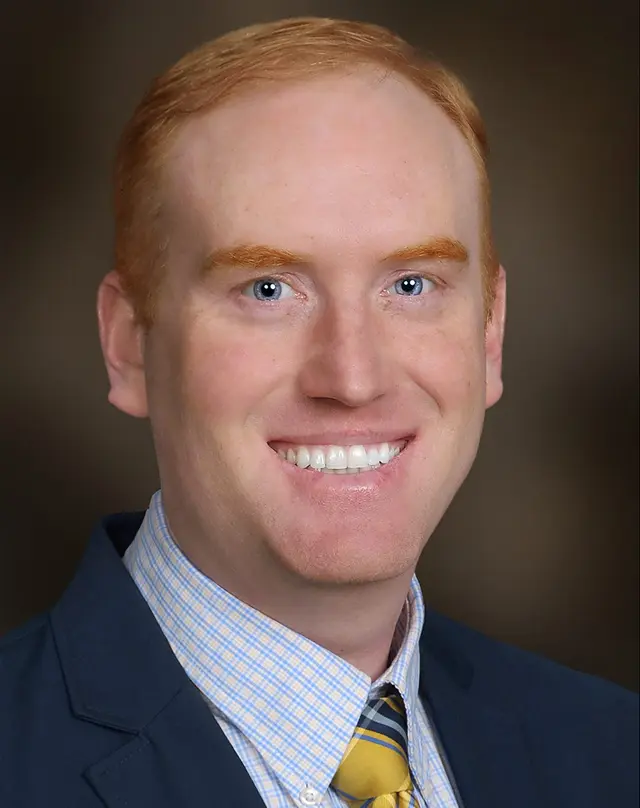
TL;DR
Dr. Oldham provides mental health screening, diagnosis, and ongoing medication management for depression, anxiety, ADHD, and other common conditions at 972 N 600 E in Spanish Fork. Mental health is treated as part of whole-person primary care, not a separate referral track. Visits are long enough to talk. 30+ insurance plans accepted. Call (385) 265-6060.
What Mental Health Conditions Does Dr. Oldham Treat?
Dr. Oldham diagnoses and manages the mental health conditions that most commonly present in a family medicine practice: major depressive disorder, generalized anxiety disorder, panic disorder, ADHD (children and adults), adjustment disorders, seasonal affective disorder, insomnia, and the anxiety and depression that frequently accompany chronic pain, postpartum recovery, or major life transitions. The National Institute of Mental Health estimates that 1 in 5 U.S. adults lives with a mental illness in any given year, and most of those conditions are treatable in primary care without a psychiatry referral.
Dr. Oldham screens for depression and anxiety at annual wellness visits and during chronic disease follow-ups, because mental health conditions often worsen physical health outcomes. A patient whose depression is untreated is less likely to exercise, take medications consistently, or follow a diabetes management plan. Treating both conditions together produces better results than treating either one in isolation.
How Does Dr. Oldham Approach Mental Health Treatment?
Treatment starts with a thorough evaluation: a validated screening tool (PHQ-9 for depression, GAD-7 for anxiety), a review of medical history to rule out physical causes (thyroid dysfunction, vitamin deficiencies, medication side effects), and a conversation about symptoms, triggers, duration, and previous treatment attempts. Dr. Oldham does not prescribe a medication in the first five minutes. The evaluation takes 30-45 minutes for a first mental health visit.
When medication is appropriate, Dr. Oldham starts with a well-studied first-line agent at the lowest effective dose, schedules a follow-up in 2-4 weeks to assess response and side effects, and adjusts from there. For patients who prefer to try non-medication approaches first, or whose symptoms are mild, Dr. Oldham discusses therapy referrals, structured exercise, sleep hygiene, and stress management techniques. Most patients benefit from a combination of medication and behavioral changes, and Dr. Oldham coordinates with local therapists and counselors when talk therapy is part of the plan.
Can a Family Doctor Prescribe Mental Health Medication?
Yes. Family physicians prescribe the majority of antidepressants, anxiolytics, and ADHD medications in the United States, according to the American Academy of Family Physicians. Dr. Oldham prescribes SSRIs (sertraline, escitalopram, fluoxetine), SNRIs (venlafaxine, duloxetine), bupropion, buspirone, hydroxyzine, and stimulant and non-stimulant ADHD medications. Benzodiazepines are used only short-term and only when the clinical situation warrants, consistent with current prescribing guidelines.
The advantage of having your primary care physician manage mental health medication is continuity. Dr. Oldham already knows the patient’s full medication list, chronic conditions, and health history. Drug interactions, overlapping side effects, and the connection between physical and mental symptoms are all managed in one visit rather than across two providers who may not communicate in real time.
When Should You See a Psychiatrist Instead?
Dr. Oldham refers to psychiatry when a patient has treatment-resistant depression (two or more adequate medication trials without response), bipolar disorder requiring mood stabilizers, psychotic features, active suicidality requiring inpatient evaluation, or a complex medication regimen that exceeds the scope of primary care management. For the majority of patients with depression, anxiety, ADHD, or insomnia, primary care management with Dr. Oldham is appropriate and effective, and avoids the 2-4 month wait that a new psychiatry referral often requires in Utah County.
How Does Dr. Oldham Handle ADHD in Children and Adults?
ADHD evaluation begins with a structured history, rating scales completed by the patient (and for children, by parents and teachers), and a medical workup to exclude mimicking conditions like thyroid disorder or sleep apnea. Dr. Oldham follows the AAP clinical practice guidelines for pediatric ADHD and uses the ASRS for adult screening. Treatment includes behavioral strategies, and when medication is indicated, stimulant or non-stimulant options with regular follow-up every 1-3 months to monitor growth (in children), side effects, and effectiveness.
Does Insurance Cover Mental Health Visits?
Yes. Under the Mental Health Parity and Addiction Equity Act, insurance plans must cover mental health visits at the same level as medical visits. Dr. Oldham’s practice accepts 30+ insurance plans, and mental health visits are billed as standard office visits. Screening tools (PHQ-9, GAD-7) performed during a preventive visit are typically covered at no additional cost. Call (385) 265-6060 to verify your plan before scheduling.
How Do You Schedule a Mental Health Visit with Dr. Oldham?
Book a mental health visit
New patients: request a 45-minute first visit. Existing patients: a follow-up can be scheduled within 1-2 weeks.
Call (385) 265-6060 Book online
972 N 600 E, Spanish Fork, UT 84660
Frequently Asked Questions About Mental Health Care
Can I bring up mental health during a regular visit?
Absolutely. Many patients first mention depression or anxiety during a visit for another reason. Dr. Oldham screens routinely and can begin an evaluation in the same appointment if time allows, or schedule a dedicated follow-up.
Is my mental health information kept confidential?
Yes. Mental health records are protected under HIPAA and are part of your medical chart, accessible only to your care team. Dr. Oldham’s practice follows the same privacy standards for mental health as for all medical records.
Do you offer therapy or counseling?
Dr. Oldham provides medication management and brief counseling. For structured talk therapy (CBT, DBT, EMDR), Dr. Oldham refers to trusted local therapists and coordinates care so both providers are aligned on the treatment plan.
Medical disclaimer: This page is informational and does not replace a clinical evaluation. If you are in crisis, call 988 (Suicide and Crisis Lifeline) or go to your nearest emergency room.
Content accuracy: Clinical guidance references the NIMH, AAFP, and AAP. Last reviewed April 2026.