TL;DR
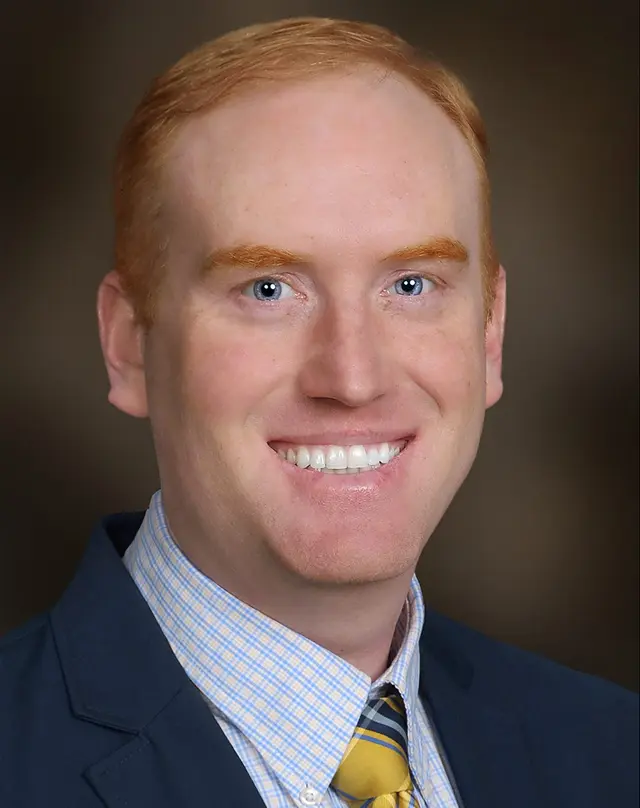
Dr. Oldham manages chronic conditions including diabetes, hypertension, high cholesterol, thyroid disorders, and asthma at 972 N 600 E in Spanish Fork. Visits run long enough to review home monitoring data, adjust medications, and set realistic goals. The preventive care program catches conditions early; chronic disease management keeps them controlled. 30+ insurance plans accepted. Call (385) 265-6060 to schedule.
What Is Chronic Disease Management?
Chronic disease management is the ongoing medical care, monitoring, and lifestyle support that keeps a long-term condition stable and prevents complications. The CDC reports that 6 in 10 American adults live with at least one chronic disease, and 4 in 10 have two or more. Dr. Oldham manages these conditions inside the same primary care relationship that handles preventive visits, acute illness, and musculoskeletal complaints, so the patient never falls into a gap between specialists.
A chronic disease visit with Dr. Oldham is not a 10-minute medication refill. It is a 20-40 minute conversation that reviews home monitoring data (blood pressure logs, glucose readings, symptom journals), current medication effectiveness and side effects, lab trends over time, and lifestyle factors like diet, exercise, sleep, and stress. The goal is stable numbers, fewer medications when possible, and a patient who understands their condition well enough to manage it between visits.
What Chronic Conditions Does Dr. Oldham Treat?
Dr. Oldham treats the full range of chronic conditions that a family medicine physician encounters in a community practice. The most common include type 2 diabetes and prediabetes, hypertension, hyperlipidemia (high cholesterol and triglycerides), hypothyroidism and hyperthyroidism, asthma and COPD, obesity and metabolic syndrome, chronic pain (including musculoskeletal conditions treated with osteopathic manipulative treatment), depression and anxiety as chronic conditions, and GERD. Patients with multiple conditions benefit especially from a single physician managing everything, because medication interactions, competing treatment goals, and lifestyle trade-offs are all handled in one room.
Hypertension
High cholesterol
Thyroid disorders
Asthma / COPD
Obesity
Chronic pain
Depression / Anxiety
How Does Dr. Oldham Approach Diabetes Management?
Dr. Oldham manages type 2 diabetes and prediabetes with a stepwise approach: lifestyle modification first (diet, exercise, weight management), then metformin or another first-line agent if A1c remains above target after 3-6 months, with additional medications added only when the data supports it. The American Diabetes Association Standards of Care guide every treatment decision. Dr. Oldham orders A1c every 3 months for uncontrolled diabetes and every 6 months once the patient reaches target, alongside annual comprehensive metabolic panels, lipid panels, urine albumin, and diabetic foot exams.
A scenario Dr. Oldham encounters frequently in Spanish Fork is patients who have been told their blood sugar is “a little high” at an urgent care or employer screening but never received structured follow-up. By the time they arrive, an A1c of 6.8-7.2% has been drifting upward for months. Starting treatment at that stage, with clear goals and regular monitoring, prevents the progression to insulin dependence that occurs when early-stage diabetes is ignored.
How Does Dr. Oldham Manage High Blood Pressure?
Hypertension management starts with accurate measurement: Dr. Oldham uses in-office readings confirmed against home blood pressure logs to rule out white-coat hypertension and establish a true baseline. For stage 1 hypertension (130-139/80-89 mmHg) in a low-risk patient, the first step is lifestyle modification, including sodium reduction, weight loss, exercise, and stress management. If blood pressure remains elevated after 3-6 months of lifestyle change, or if the patient has additional risk factors (diabetes, kidney disease, prior cardiovascular event), medication is added using current American Heart Association guidelines.
Dr. Oldham reviews every patient’s home blood pressure log at each follow-up visit. The log matters more than a single office reading because it captures the daily pattern: morning spikes, medication timing effects, and whether lifestyle changes are actually moving the numbers. Patients who track consistently reach their target blood pressure faster and with fewer medication adjustments.
What Does a Chronic Disease Follow-Up Visit Look Like?
A typical follow-up visit lasts 20-40 minutes. Dr. Oldham reviews the patient’s home monitoring data and recent lab results, assesses medication effectiveness and side effects, performs a focused physical exam relevant to the condition, and adjusts the treatment plan. For a diabetic patient, that means reviewing glucose trends and A1c, checking feet, and discussing diet. For a hypertensive patient, it means comparing home blood pressure logs with the office reading and adjusting medication timing or dosage if needed.
Dr. Oldham explains every change and why it is being made. Chronic disease management works only when the patient understands the plan well enough to follow it at home, and that understanding requires time in the visit that a 10-minute slot cannot provide.
How Often Do Chronic Disease Patients Need to Be Seen?
Frequency depends on the condition and how stable it is. Newly diagnosed or uncontrolled conditions typically require visits every 4-6 weeks until numbers stabilize. Once a patient reaches target (A1c below 7%, blood pressure consistently below 130/80, cholesterol within goal), Dr. Oldham transitions to visits every 3-6 months with lab work timed to coincide. Patients managing multiple chronic conditions may need more frequent visits because adjusting one medication can affect another condition.
Does Insurance Cover Chronic Disease Management?
Chronic disease management visits are billed as standard office visits and are covered by virtually all insurance plans. The practice accepts 30+ insurance plans, including most major Utah carriers. Lab work for chronic condition monitoring (A1c, metabolic panels, lipid panels, thyroid function) is covered under most plans with standard copays. Call (385) 265-6060 to verify your plan before scheduling.
How Do You Start Chronic Disease Management with Dr. Oldham?
Take control of your chronic condition
New and existing patients can schedule by phone or online. Bring your medication list and any home monitoring data to the first visit.
Call (385) 265-6060 Book online
972 N 600 E, Spanish Fork, UT 84660
Frequently Asked Questions About Chronic Disease Management
Can Dr. Oldham manage my condition if I’m currently seeing a specialist?
Yes. Dr. Oldham works alongside specialists and coordinates care so medications don’t conflict and test results are shared. Many patients find that having a primary care physician quarterback their chronic care reduces duplication and simplifies their schedule.
Will I always need medication for my chronic condition?
Not necessarily. Some patients with borderline lab values can reach and maintain targets through lifestyle changes alone. Dr. Oldham reassesses at every visit and reduces or stops medications when the data supports it.
Can I transfer my care from another physician?
Yes. Bring your recent lab results, medication list, and any specialist notes to the first visit. Dr. Oldham will review everything and build a management plan from where you are, not from scratch.
Medical disclaimer: This page is informational and does not replace an in-person evaluation. Treatment plans for chronic conditions are individualized based on lab results, risk factors, and patient goals.
Content accuracy: Clinical guidance references the ADA, AHA, and CDC. Last reviewed April 2026.