TL;DR
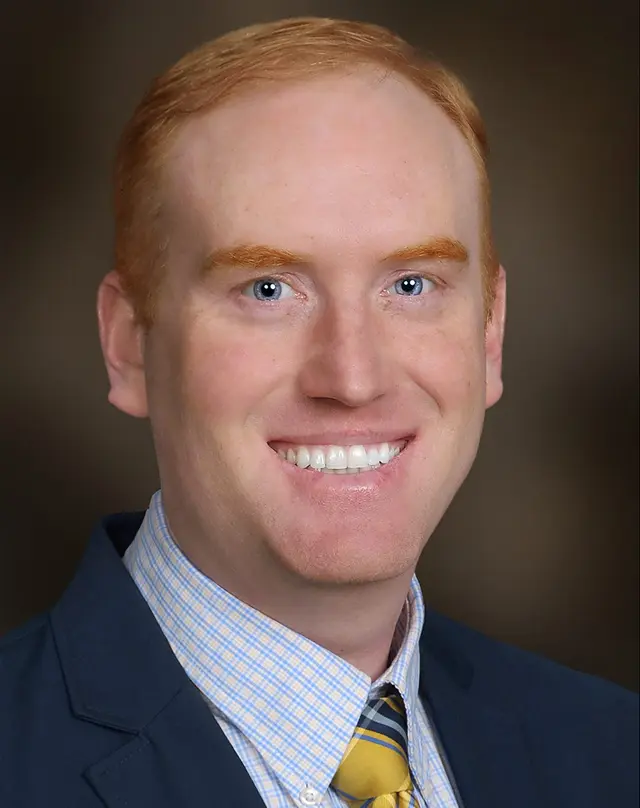
Dr. Jedidiah Oldham, DO diagnoses and manages ADHD in children and adults at 972 N 600 E in Spanish Fork. Evaluation starts with a 15- to 30-minute first visit that includes standardized screening tools, behavioral history, and a focused neurological exam. Dr. Oldham builds a treatment plan that may combine behavioral strategies, medication, and follow-up monitoring, all inside the same primary care relationship. Call (385) 265-6060 to schedule.
What Is ADHD and Who Does It Affect?
ADHD (attention-deficit/hyperactivity disorder) is a neurodevelopmental condition that affects an estimated 9.8% of children aged 3 to 17 and roughly 4.4% of adults in the United States, according to the CDC national ADHD data. The condition shows up as persistent patterns of inattention, hyperactivity, impulsivity, or a combination that interferes with daily functioning at school, work, or home. Dr. Oldham evaluates ADHD in patients of all ages at the Spanish Fork office, using the same longitudinal relationship that covers their preventive care, chronic conditions, and mental health. Because ADHD frequently overlaps with anxiety, depression, and sleep disruption, a family medicine physician who already knows the patient’s full history catches those co-occurring conditions faster than a provider meeting the patient for the first time.
Dr. Oldham sees ADHD across a wide age range in Spanish Fork, from elementary school children whose teachers have flagged attention concerns to adults in their 30s and 40s who were never evaluated as kids. Utah County’s young median age and high birth rate mean the practice schedules more pediatric ADHD evaluations per month than many family medicine offices in the state.
How Does Dr. Oldham Diagnose ADHD?
Dr. Oldham diagnoses ADHD through a structured evaluation that typically takes 15 to 30 minutes at the first visit, combining validated screening questionnaires (Vanderbilt scales for children, the ASRS for adults), a detailed behavioral and developmental history, and a focused neurological and physical exam to rule out conditions that mimic ADHD. The American Academy of Family Physicians recommends this multi-source approach because no single test confirms ADHD. Dr. Oldham collects input from parents, teachers (via rating scales sent home), and, for older patients, self-report measures. That process takes one to two visits before a formal diagnosis is made, and it ensures the diagnosis rests on converging evidence rather than a single checklist.
For children, Dr. Oldham follows the AAP guideline requiring symptoms to be present in two or more settings (home plus school, for example) and lasting at least six months. For adults, the evaluation explores whether symptoms began before age 12 and continue to cause measurable impairment. Dr. Oldham documents the DSM-5 criteria in the chart so the diagnosis is transparent to parents, patients, and any specialists involved later.
Can Adults Be Diagnosed With ADHD for the First Time?
Adults can absolutely receive a first ADHD diagnosis, and Dr. Oldham evaluates adult-onset presentations regularly in Spanish Fork. Roughly 75% of children with ADHD carry symptoms into adulthood, yet many adults were never screened as children, according to a 2023 review in the National Institute of Mental Health. Dr. Oldham uses the Adult ADHD Self-Report Scale (ASRS-v1.1) as an initial screen, followed by a clinical interview that maps symptom history back to childhood. The evaluation also screens for anxiety, depression, and sleep disorders, because those conditions produce overlapping complaints and often co-exist with ADHD. A diagnosis in adulthood opens treatment options that can improve work performance, relationships, and daily organization within weeks of starting a plan.
A pattern Dr. Oldham encounters frequently in Spanish Fork is working parents who assumed their distractibility and forgetfulness were just personality traits. After their child receives an ADHD diagnosis, the parent recognizes the same patterns in themselves and schedules an evaluation. Dr. Oldham handles both evaluations inside the same family chart, which streamlines communication and keeps the household’s care coordinated.
What Treatment Options Does Dr. Oldham Use for ADHD?
Dr. Oldham builds ADHD treatment plans around three pillars: behavioral strategies, medication when indicated, and structured follow-up. For children aged 4 to 5, behavioral therapy is the recommended first-line treatment per CDC treatment guidelines. For children 6 and older and for adults, the evidence supports stimulant medication (methylphenidate or amphetamine-based) as the most effective pharmacologic option, often combined with behavioral interventions. Dr. Oldham starts medication at the lowest effective dose and titrates over two to four weeks, with a follow-up visit at four weeks to assess symptom control, side effects, appetite, and sleep quality. Non-stimulant options like atomoxetine or guanfacine are available for patients who don’t tolerate stimulants or prefer a non-controlled alternative.
Behavioral strategies Dr. Oldham discusses include structured morning and homework routines, timer-based task chunking, organizational tools for adults, and parent training in positive reinforcement. These strategies work alongside medication and often reduce the dose needed over time. Dr. Oldham has found that Spanish Fork families respond well to a written plan they can post at home, because it sets clear expectations and reduces daily friction between parent and child.
How Does Dr. Oldham Monitor ADHD Medication?
Dr. Oldham schedules ADHD medication check-ins every one to three months during the first year of treatment, then shifts to every three to six months once the dose is stable and symptoms are controlled. Each visit includes a review of the Vanderbilt or ASRS follow-up scales, a weight and blood pressure check (stimulants can raise both), and a conversation about academic or work performance, sleep, and appetite. Utah’s Controlled Substance Database is checked at every prescribing visit, per state law, and Dr. Oldham documents compliance and clinical response in the chart. The monitoring schedule follows AAP Bright Futures guidelines for children and AAFP recommendations for adults.
Dr. Oldham adjusts the treatment plan at each visit based on real data rather than a blanket refill. If a child’s teacher reports improved focus but the parent sees evening irritability, Dr. Oldham may switch to a shorter-acting formulation or adjust timing. That iterative approach, possible because the same physician sees the patient every visit, is the advantage of managing ADHD inside a continuous primary care relationship.
How Does ADHD Management Differ for Children Compared to Adults?
Dr. Oldham tailors ADHD management to the patient’s developmental stage, because children and adults face different symptom profiles, medication considerations, and functional demands. Children typically present with more hyperactivity and impulsivity, and their treatment involves parents, teachers, and sometimes school-based accommodations (504 plans or IEPs). Adults more often present with inattention, disorganization, and emotional dysregulation, and their treatment focuses on workplace strategies, relationship skills, and self-management. Medication dosing differs as well: children’s doses are weight-based and require more frequent adjustment during growth spurts, while adult doses stabilize faster. Dr. Oldham manages both populations in the same office, which means a parent diagnosed alongside their child receives consistent guidance from the same physician.
| Children (ages 4-17) | Adults (18+) | |
|---|---|---|
| Common presentation | Hyperactivity, impulsivity, classroom disruption | Inattention, disorganization, emotional dysregulation |
| First-line treatment (ages 4-5) | Behavioral therapy alone | N/A |
| First-line treatment (6+) | Stimulant medication + behavioral strategies | Stimulant medication + behavioral strategies |
| Dosing | Weight-based, adjusted with growth | Fixed-dose titration |
| School/work support | 504 plan, IEP, teacher rating scales | Workplace accommodations, organizational coaching |
| Follow-up frequency (year 1) | Every 1-3 months | Every 1-3 months |
What Should You Expect at Your First ADHD Visit With Dr. Oldham?
Your first ADHD evaluation with Dr. Oldham is scheduled for 15 to 30 minutes, long enough to take a full history, review completed screening forms, perform a neurological exam, and begin discussing a plan. Before the visit, the front desk sends home Vanderbilt rating scales (one for parents, one for teachers) for children, or an ASRS self-report for adults. Completing these before the appointment saves time and gives Dr. Oldham scored data to work from on day one. Bring any prior evaluations, school records, or notes from teachers or employers that document attention concerns. Dr. Oldham reviews all of this during the visit, explains the diagnostic criteria, and discusses whether the evidence supports an ADHD diagnosis or whether further testing is needed.
Dr. Jedidiah Oldham, DO treats the evaluation as a conversation, not a checklist. You’ll leave with a clear explanation of next steps, whether that’s starting behavioral strategies, beginning a medication trial, or scheduling a follow-up to collect additional data. The practice accepts 30+ insurance plans, and the front desk verifies coverage and out-of-pocket cost before the first visit.
Does Insurance Cover ADHD Evaluation and Treatment?
Dr. Oldham bills ADHD evaluations and follow-up visits under standard E&M (evaluation and management) codes, and the majority of the 30+ insurance plans accepted at the Spanish Fork office cover these visits with a standard copay or coinsurance. Medication costs vary by plan and by whether a generic or brand-name stimulant is prescribed; generic methylphenidate typically runs $15 to $50 per month at Utah pharmacies, while brand-name extended-release formulations can exceed $200 without insurance. Dr. Oldham factors cost into prescribing decisions and will switch to a formulary-preferred option when a plan’s coverage makes one medication significantly cheaper. Patients without insurance or with high-deductible plans can ask the front desk about self-pay rates before booking.
How Do I Schedule an ADHD Evaluation With Dr. Oldham?
Schedule an ADHD evaluation
New and existing patients can book by phone or online. Most visits are scheduled within one week. Mention ADHD when calling so the front desk reserves the longer appointment slot.
Call (385) 265-6060 Book online
972 N 600 E, Spanish Fork, UT 84660
Frequently Asked Questions About ADHD Management
Is ADHD overdiagnosed?
Diagnosis rates have risen, but that reflects better screening rather than overdiagnosis. Dr. Oldham uses validated multi-source tools (Vanderbilt, ASRS) and requires symptoms in two or more settings before diagnosing, which prevents false positives.
Are ADHD medications safe for children?
Stimulant medications have decades of safety data. Common side effects include decreased appetite and trouble falling asleep, both of which Dr. Oldham monitors at every follow-up and manages with dose or timing adjustments.
Can ADHD be managed without medication?
Behavioral therapy alone is first-line for children aged 4 to 5. For older children and adults, behavioral strategies help but medication produces the largest effect size. Dr. Oldham discusses both options and respects patient preference.
How long does it take to find the right ADHD medication?
Most patients find an effective medication and dose within two to six weeks. Dr. Oldham starts low and titrates at follow-up visits every two to four weeks until symptoms improve without significant side effects.
Does Dr. Oldham diagnose ADHD in toddlers?
ADHD can be diagnosed as early as age 4 per AAP guidelines. Dr. Oldham evaluates preschoolers using parent-reported Vanderbilt scales and behavioral observation, and recommends behavioral therapy as the first-line treatment for this age group.
Medical disclaimer: This page is informational and does not replace an in-person evaluation. Individual diagnosis and treatment decisions should be made between a patient and their physician.
Content accuracy: Clinical guidance is based on current recommendations from the CDC, AAP, AAFP, and NIMH. Last reviewed April 2026.