TL;DR
Osteopathic care is family medicine practiced by a DO who can add hands-on diagnosis and treatment of the musculoskeletal system to any visit. At the Spanish Fork practice, Dr. Oldham integrates osteopathic manipulative treatment (OMT) into regular appointments for low back pain, neck pain, tension headaches, post-injury stiffness, and other musculoskeletal complaints, so patients do not always need a separate referral to chiropractic or physical therapy. Visits are scheduled long enough to both examine and treat. Call (385) 265-6060 to schedule.
What Is Osteopathic Care?
Osteopathic care is primary care delivered by a Doctor of Osteopathic Medicine (DO), a fully licensed physician trained in the same science, pharmacology, and surgical principles as an MD, with additional training in the musculoskeletal system and in hands-on techniques known collectively as osteopathic manipulative treatment. In practice, that means a DO can prescribe, diagnose, order labs, perform procedures, and also physically assess and treat restricted joints, strained soft tissue, and pain patterns that are driven by how the body moves.
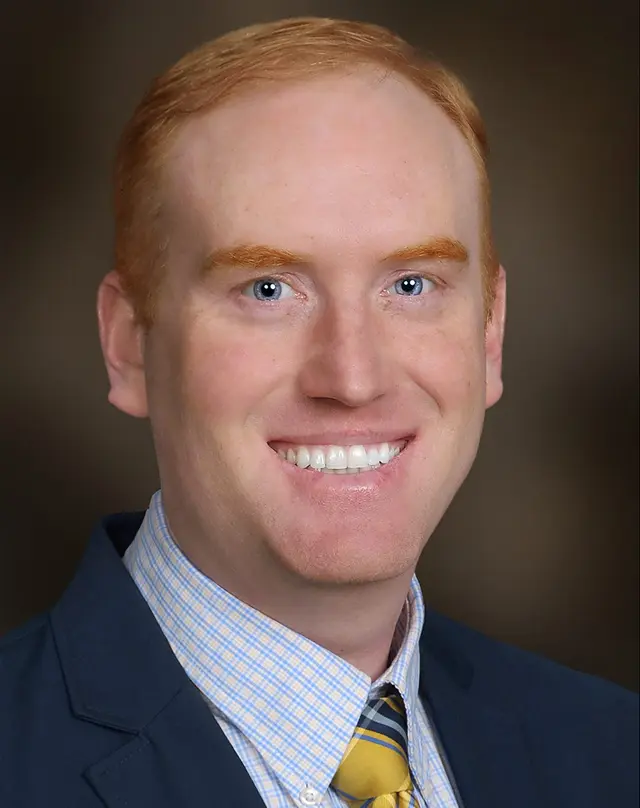
Dr. Oldham practices osteopathic family medicine at 972 N 600 E in Spanish Fork, UT. That scope includes prevention, chronic disease management, obstetrics, pediatrics, mental health care, and in-office OMT for patients whose complaint has a musculoskeletal component. Because OMT sits inside the same visit, the evaluation and the treatment happen in one appointment instead of across multiple referrals.
What Is the Difference Between a DO and an MD?
DOs and MDs complete equivalent medical school length and are licensed to do the same clinical work in the United States. A DO’s curriculum adds structured training in musculoskeletal diagnosis and in manipulative techniques, and the osteopathic philosophy emphasizes the interrelationship between the body’s structure and its function. The American Osteopathic Association publishes a concise DO vs. MD comparison for patients.
Dr. Oldham trained at A.T. Still University in Kirksville, the founding osteopathic medical school in the United States, and carries three board certifications through the American Osteopathic Board of Family Physicians, including one specifically in Osteopathic Manipulative Medicine.
What Is Osteopathic Manipulative Treatment (OMT)?
OMT is a set of hands-on techniques used to evaluate and treat restricted joint motion, soft-tissue strain, muscle hypertonicity, and related pain. Techniques range from gentle positioning and stretching (indirect methods, myofascial release, counterstrain) to more precise corrective maneuvers (high-velocity low-amplitude, muscle energy). The American Osteopathic Association describes OMT as an additional tool a DO can use alongside medication, imaging, injections, or physical therapy.
Dr. Oldham uses OMT most often in visits for mechanical low back pain, recurrent neck stiffness, tension-type headache, rib and chest wall pain after cough, postural strain from desk work, and post-injury stiffness that is slower to resolve than expected. Techniques are selected based on the finding, the tissue involved, and patient preference, and only after a standard medical history and neurological exam have ruled out conditions that require imaging or specialist referral.
When Is Osteopathic Care the Right Choice?
Osteopathic family medicine fits well for patients who want one physician handling both long-term primary care and the common musculoskeletal problems that come up along the way. A parent whose job is hard on the back, a runner with recurrent hip tightness, a new mother with postural neck pain, a teenager who threw out his back lifting weights: all of these can usually be evaluated and treated in a single visit rather than being routed immediately to specialty care.
Dr. Oldham does not use OMT for every musculoskeletal complaint. Red flags, for example neurological deficit, suspicion of fracture, progressive weakness, unexplained weight loss, or signs of infection, change the plan and lead to imaging, labs, or referral. Dr. Oldham follows the standard primary care triage for low back pain summarized by the American Academy of Family Physicians before offering OMT.
How Does OMT Compare to Chiropractic and Physical Therapy?
OMT, chiropractic, and physical therapy overlap in the conditions they can help and differ in who performs the care and what the wrap-around looks like. The short comparison below is not a verdict on which is better (often the right answer is a combination) but a map of what each option includes.
| OMT (DO) | Chiropractic (DC) | Physical therapy (DPT) | |
|---|---|---|---|
| Provider | Licensed physician | Licensed chiropractor | Licensed physical therapist |
| Can prescribe medication | Yes | No | No |
| Can order imaging / labs | Yes | Limited, scope varies by state | Referral-based |
| Typical visit length | 20-60 min, inside a medical visit | 10-20 min, focused session | 30-60 min, exercise-heavy |
| Primary tools | Manual techniques, diagnosis, medical management | Spinal adjustments, soft-tissue work | Graded exercise, manual therapy, modalities |
| Best fit | Musculoskeletal complaint in a primary care patient | Mechanical joint pain, focused manipulation | Rehab after injury or surgery, movement retraining |
What Conditions Does Dr. Oldham Commonly Treat with OMT?
The conditions that bring patients in most often are straightforward mechanical problems that respond well to a combination of manual treatment, home exercises, and time. Expect a conversation about what started the pain, how it behaves across the day, what has helped before, and what a realistic treatment arc looks like.
Typical presentations include mechanical low back pain without red flags, facet-mediated neck stiffness, suboccipital and cervicogenic headache, thoracic outlet and rib pain after prolonged coughing, shoulder girdle pain tied to posture, sacroiliac and pelvic dysfunction (including during and after pregnancy), and post-injury stiffness that has plateaued despite rest. Dr. Oldham may also combine OMT with a targeted home exercise plan or with a short course of NSAIDs when appropriate.
Neck pain
Tension headache
Rib / chest wall pain
Shoulder girdle pain
Sacroiliac dysfunction
Postpartum musculoskeletal pain
What Does an Osteopathic Visit with Dr. Oldham Look Like?
Dr. Oldham schedules a first visit for 45 to 60 minutes. The appointment opens with a standard medical history and a focused exam. If a musculoskeletal component is present and OMT is indicated, the treatment happens during the same visit. Dr. Oldham explains what is being done and why and confirms the patient’s comfort with the technique before proceeding.
After treatment, patients usually leave with a short home plan: one or two exercises, posture or ergonomic changes, and a clear sense of when to expect improvement and when to come back. Most mechanical complaints improve within two to four visits; conditions that are not responding on that timeline get reassessed, and imaging or referral is added if it changes management.
Does Insurance Cover Osteopathic Care and OMT?
Osteopathic visits and OMT are billed the same way as any other physician visit and manual-therapy service, and most major insurers cover them. The Spanish Fork practice accepts 30+ insurance plans, including most Utah carriers. Patients are welcome to call the office with a plan name before booking, and the front desk will verify coverage and typical out-of-pocket cost.
How to Schedule an Osteopathic Appointment with Dr. Oldham
Book an osteopathic visit
New and existing patients can schedule by phone or online. Most visits are scheduled within one week.
Call (385) 265-6060 Book online
972 N 600 E, Spanish Fork, UT 84660
Frequently Asked Questions About Osteopathic Care
Is a DO a real doctor?
Yes. A Doctor of Osteopathic Medicine holds the same prescribing and practice rights as a Doctor of Medicine in all 50 states. DOs complete four years of medical school, a residency, and board certification in their specialty.
Does OMT hurt?
Most OMT techniques are gentle, and patients usually feel a release or easing rather than pain. Some techniques produce a brief stretch or a popping sound. Dr. Oldham explains each step and stops or adjusts if a technique is uncomfortable.
How many OMT visits will I need?
Most mechanical complaints respond within two to four visits. Chronic conditions may benefit from periodic maintenance appointments. Dr. Oldham reassesses at each visit and adjusts the plan if the problem is not improving on schedule.
Can I get OMT during pregnancy?
Yes. OMT is commonly used in pregnancy for low back, pelvic, and rib pain. Techniques are selected and positioning is modified for pregnancy. Dr. Oldham also provides prenatal care, so OMT can be scheduled inside a regular prenatal visit.
Do I need a referral to see Dr. Oldham for OMT?
No referral is needed if Dr. Oldham is your primary care physician or if your insurance does not require one. Call (385) 265-6060 to confirm coverage and schedule the first visit.
Medical disclaimer: This page is informational and does not replace an in-person evaluation. Individual diagnosis and treatment decisions should be made between a patient and their physician.
Content accuracy: Clinical information is based on current guidance from the American Osteopathic Association and the American Academy of Family Physicians. Last reviewed April 2026.